
As an Amazon Associate, Luxeluma earns from qualifying purchases. Our guides compare published specs. We don’t test devices in a lab, and nothing here is medical advice.
Microcurrent Devices Explained: At-Home Facial Toning, Honestly
Microcurrent is the other half of the at-home beauty device market. No light, just a faint electrical current, a conductive gel, and five minutes of gliding a device along your jawline. It has a devoted following and a confusing spec landscape. Here’s how the technology works, how the leading devices differ, and what to realistically expect.
What microcurrent is
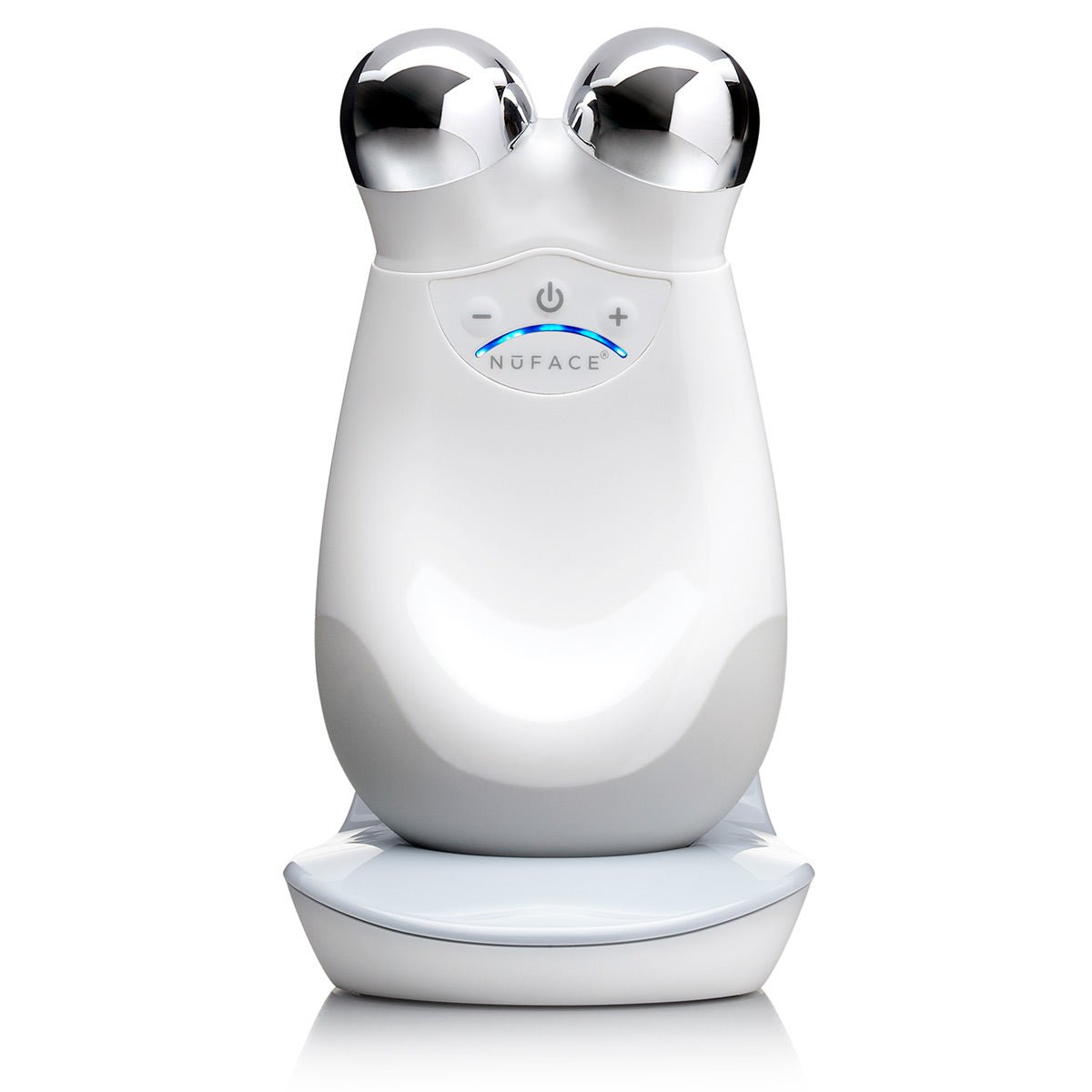
Microcurrent devices deliver a very low-level electrical current, measured in microamps (millionths of an amp), through the skin via two metal spheres or wands. The current is typically described as painless; most users report feeling little to nothing, sometimes a slight tingling where the gel is thin.
The marketing story, shared across brands, goes like this: the current is intended to give facial muscles a gentle workout, and the visible payoff is a more toned, lifted appearance: cheekbones that look more defined, a jawline that looks sharper. Note the careful language, which the honest brands use too: this is about appearance, and the effect is cumulative and temporary. Stop using the device and the look fades over days to weeks. Anyone promising permanence is selling something the technology doesn’t offer.
Microcurrent vs nanocurrent
You’ll see two current types mentioned:
- Microcurrent: millionths of an amp. The standard across the category. NuFACE built its entire brand on it.
- Nanocurrent: billionths of an amp, a thousand times smaller. This is Ziip’s differentiator: the Ziip Halo pairs microcurrent with what the brand calls patented Nanocurrent, marketed for longer-term skin-quality appearance while microcurrent handles the immediate visible lift.
Whether nanocurrent adds anything beyond microcurrent is the kind of question only controlled studies could settle, and brands aren’t in the business of running those against each other. Treat it as a product differentiator to weigh, not a proven superiority claim.
The conductive gel is not optional
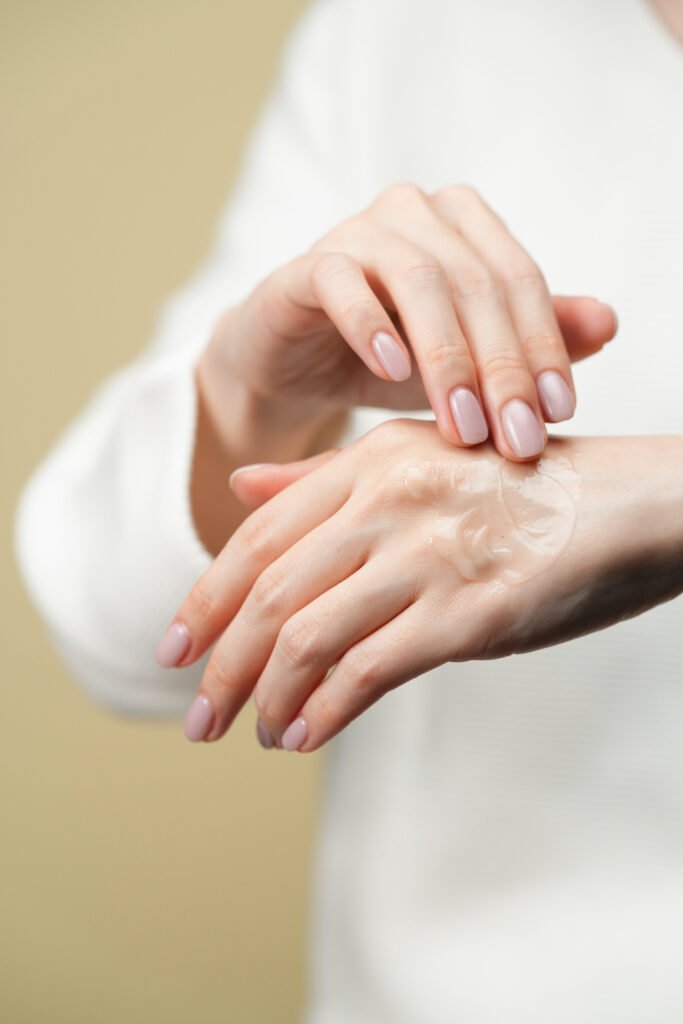
This is the least glamorous and most important practical fact about microcurrent: the device does nothing useful on dry skin. Electricity needs a conductive medium, so every session starts with a layer of conductive gel or a gel primer. NuFACE sells its own IonPlex gel primer; Ziip includes its Crystal Gel. Third-party conductive gels exist, but brands naturally recommend their own.
Budget for it. The device is the headline purchase, but gel is the subscription you didn’t know you signed up for. Heavy users go through it steadily, and skimping on gel is the most common reason for a disappointing first session. Patchy conductivity means patchy current.
NuFACE Trinity vs Ziip Halo: the two approaches
These are the two reference devices in at-home microcurrent, and they represent genuinely different philosophies.
NuFACE Trinity: the routine device
- Current: microcurrent, FDA-cleared.
- Session: 5 minutes per day. The brand’s guidance: 5 days a week for the first 60 days, then 2–3 times weekly for maintenance.
- Design: handheld device with interchangeable attachments, including a lip-and-eye trainer for smaller areas.
- Trinity+ upgrade: adds a boost button (+25% output), app connectivity, and swappable heads including a red-light attachment.
- Price: Check price on Amazon
- Best for: someone who wants a fixed, repeatable routine with minimal decisions.
Ziip Halo: the guided-treatment device
- Current: microcurrent plus nanocurrent, FDA-cleared.
- Session: app-guided treatments from a few minutes (“instant gratification” routines) to longer sculpting sessions.
- Design: palm-sized, app-connected; the app holds a library of treatment plans.
- Price: Check price on Amazon
- Best for: someone who likes guided variety and doesn’t mind their skincare living partly inside an app.
Neither is objectively “stronger” in a way you can verify from published specs. Neither brand publishes current output in directly comparable units. Choose on routine style: fixed and simple (NuFACE) versus guided and varied (Ziip).
What a realistic routine looks like
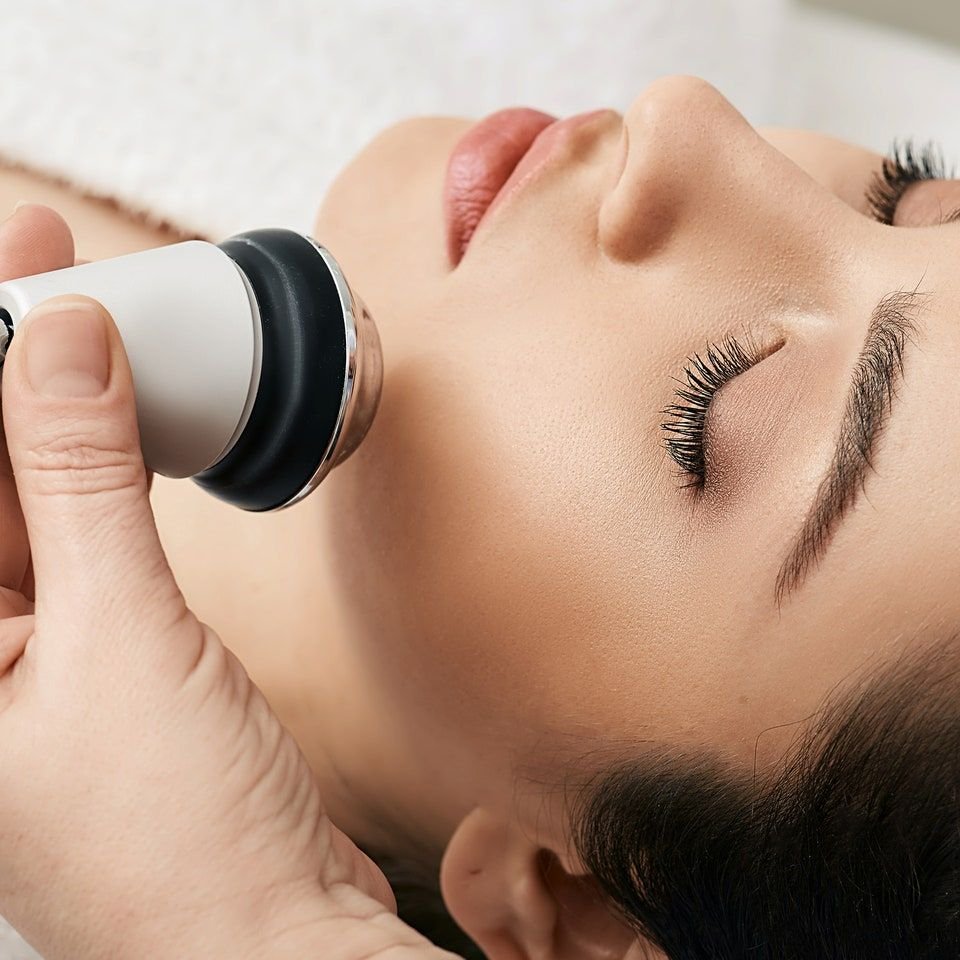
- Cleanse. Current travels best on clean skin; oils and heavy residue interfere.
- Apply gel generously. A mask-like layer, in sections. It dries as you work, so reapply per area.
- Glide, don’t press. Slow upward strokes along the jaw, cheeks, and brow. The device does the work; pressure adds nothing.
- Five minutes, then done. Longer sessions aren’t better. Follow the brand’s timing.
- Moisturize after. Wipe or rinse residual gel, then your normal routine.
Frequency matters more than intensity. The brands converge on the same cadence: most days at first (to build the visible effect), then a few times weekly to maintain it. A microcurrent device used twice a month is an expensive paperweight.
Honest limitations
- Results are temporary. The visible lift fades without maintenance. Think of it like exercise for appearance. Stop, and it reverses.
- It won’t move fat or bone. Microcurrent works at the muscle-and-skin level. Structural changes (volume loss, deep folds) are outside what any at-home current can address.
- The evidence is brand-run. The clinical-looking statistics on brand sites come from brand-commissioned studies, not independent journals. That doesn’t make them false, but it means you should read them as marketing with data rather than science.
- Not for everyone. Pregnant users, people with certain implanted devices, and anyone with a skin condition should check the contraindications and talk to a clinician first. This is standard for any electrical device used on the face.
Microcurrent vs LED: do you need both?
They’re different tools for different jobs. LED devices (see our wavelength guide) use light and are marketed for the appearance of fine lines, firmness, and tone. Microcurrent uses electricity and is marketed for the appearance of lift and contour. Some people use both (LED for tone, microcurrent for contour), and some devices now combine them (the Trinity+ has a red-light attachment).
If you’re choosing one: pick LED if your priority is the look of skin quality (fine lines, tone), microcurrent if it’s the look of structure (contour, definition). Our LED mask buying guide covers the light side in detail.
Frequently asked questions
Does microcurrent hurt?
It shouldn’t. Most users feel nothing or a faint tingling. A metallic taste or a flashing sensation near the eyes usually means the gel layer is too thin in that spot. Add more gel.
Can I use my own serum instead of the brand’s gel?
Only if it’s genuinely conductive, which most serums aren’t. Oil-based products actively block current. If you experiment, do it knowing the brand’s gel is the calibrated baseline.
How long until I see anything?
Brands suggest the visible effect builds over the first 60 days of consistent use. Immediate post-session glow is commonly reported but is the short-term effect, not the goal.
Is the app required for the Ziip Halo?
The Halo’s treatment library lives in the app. Without it you’re missing the point of that device. If you dislike app-dependent skincare, that’s a real reason to prefer NuFACE’s standalone routine.
How we research
Luxeluma compares manufacturer-published specifications: current type, session guidance, clearance status, and pricing as stated by the brands. We don’t run lab tests, and cosmetic devices aren’t medicine: nothing on this page diagnoses, treats, or prevents any condition.